
On 17 September, World Patient Safety Day draws attention to avoidable harm in healthcare and the actions needed to prevent it. In 2026, the World Health Organization campaign focuses on safe care for noncommunicable diseases (NCDs), under the slogan “Safe care for life!” The theme is especially relevant to people whose long-term conditions require continuous care, multiple treatments and frequent contact with different parts of the health system.
WHO estimates that one in ten patients experience harm during health care and that around half of this harm is preventable. For people living with NCDs, risk can accumulate over time and across the whole care pathway, from prevention and diagnosis to treatment, long-term management and daily life. The campaign therefore calls for people with lived experience to be recognised as partners in designing and delivering safer care.
This commitment matters equally in preparing for future infectious-disease emergencies. Outbreaks put health systems under pressure, disrupt routine services and create new safety risks for people already managing long-term conditions. Preparedness must therefore account for the realities of people’s lives before a crisis begins, and involve them in the research and decisions intended to protect them.
“On World Patient Safety Day 2026, PROACT EU-Response reaffirms that patient and community engagement is essential to safe, effective and equitable health care. Under this year’s WHO theme, ‘Safe care for life!’, the campaign calls for preventing avoidable harm and involving people living with noncommunicable diseases in shaping safer care.” Karine Lacombe, Project Coordinator
PROACT EU-Response brings together clinical researchers, health professionals, social scientists, patients and civil society to strengthen Europe’s capacity to respond to infectious-disease emergencies. The Patient Advisory Group (PAG) is made up of nine patients whose expertise and lived experiences help connect the project’s scientific work with the priorities and concerns of patients and their communities. To mark Patient Safety Day 2026, PROACT EU-Response asked PAG members what patient safety and meaningful patient involvement mean to them. They were also invited to suggest how healthcare professionals and the wider health sector could strengthen patient safety, particularly during outbreaks.
Patients should have a real say and see the difference it makes
For Katy, a PAG member living with Sjögren’s disease, meaningful involvement begins early and must have a visible effect on the final result. She points to a practical example: the PAG’s feedback on a symptom questionnaire directly shaped the final tool, rather than simply accompanying the process.
“Meaningful patient involvement means being invited to shape a project from the start, not just asked to comment once decisions are already made. Real involvement also means transparency: knowing how our input was used, and seeing it reflected in what patients ultimately receive.” Katy, Patient Advisory Group member
Jennifer, who lives with postural orthostatic tachycardia syndrome (POTS) and overlapping conditions, stresses that patient involvement cannot follow a single model. Some people may want to improve the accessibility of research information; others may want to examine endpoints and methods in detail. People also bring different forms of knowledge and need different kinds of support to participate on equal terms.
“Patient safety means thinking about the person as a whole, not just as a cluster of symptoms. I want my doctor to work alongside me and the other professionals in my team.” Jennifer, Patient Advisory Group member.
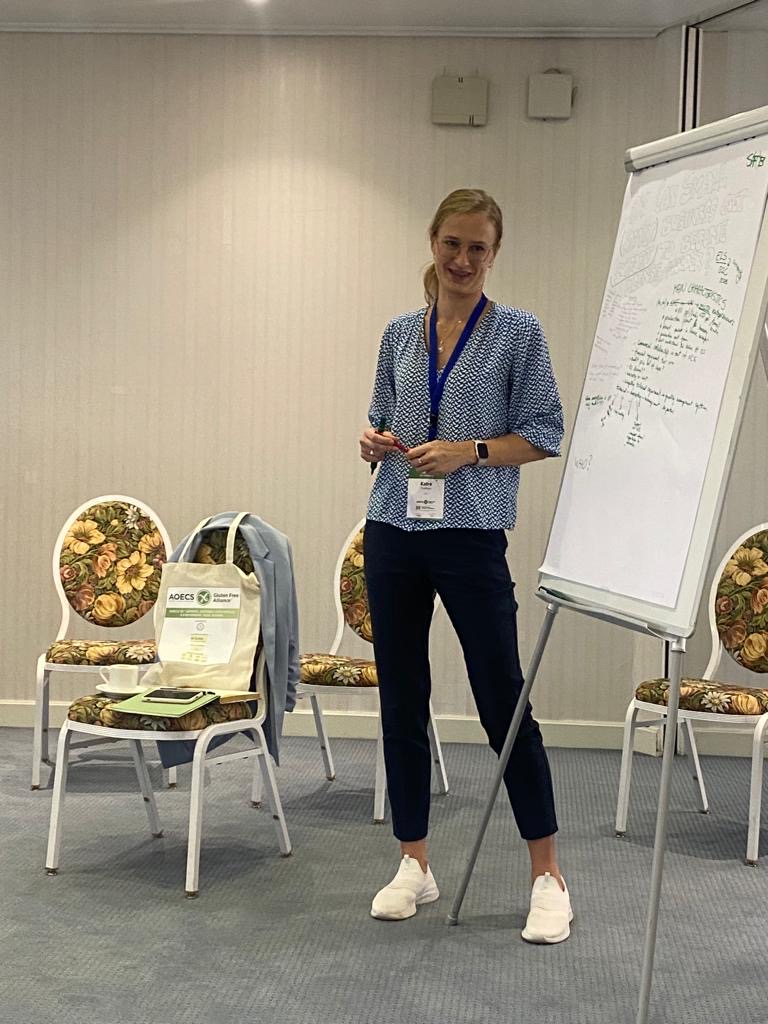
Katre, another PAG member, highlighted a part of care that can easily be overlooked: access to a medically necessary diet. For a person with coeliac disease, food contaminated by gluten can cause acute illness and undermine recovery. During an outbreak, when wards and services are stretched, safeguards that are already fragile may fail altogether.
“Healthcare teams need to treat strict therapeutic diets as core patient safety, not a catering afterthought, and bring patient advocates in to review emergency catering protocols before a crisis locks down the wards.” Katre, Patient Advisory Group member.
Katre also links safety to a culture of transparent communication and learning. Patients need to know that their feedback is used, while organisations need an environment in which mistakes can be reported and examined rather than hidden. Learning from what works is just as important: good local practice should have a route to become the standard.
Building safer systems before the next emergency
These perspectives offer an opportunity to reflect on patient-centred preparedness. Do healthcare services and research consider the whole person, including multiple or complex conditions, responses to medication and specific dietary needs? Are patients involved early enough to shape priorities, research questions and tools? Can they contribute in ways that reflect their interests and support needs? And are they told how their input has influenced decisions?
For PROACT EU-Response, these questions strengthen the project’s work to generate reliable evidence and support responsive care during future outbreaks. Meaningful public involvement, accessible communication and sustained dialogue help research remain relevant, improve participation and reinforce trust, all of which are essential when decisions must be made quickly and under pressure.
Safe care during the next emergency will depend on the relationships and systems we build before it begins. They need to be well prepared, resilient, transparent and inclusive. Today, on World Patient Safety Day, let’s stop, reflect and think of what steps we can take to ensure that patients and communities are partners in creating safe, inclusive, resilient, prepared healthcare systems.
Further reading: WHO World Patient Safety Day 2026 | Calls to action and key messages